HEI-TIKI
A pendant in human form
A hei-tiki is an ornamental pendant of the Māori of New Zealand, usually made of pounamu. 'Hei' can mean to wear around the neck.
Name the stone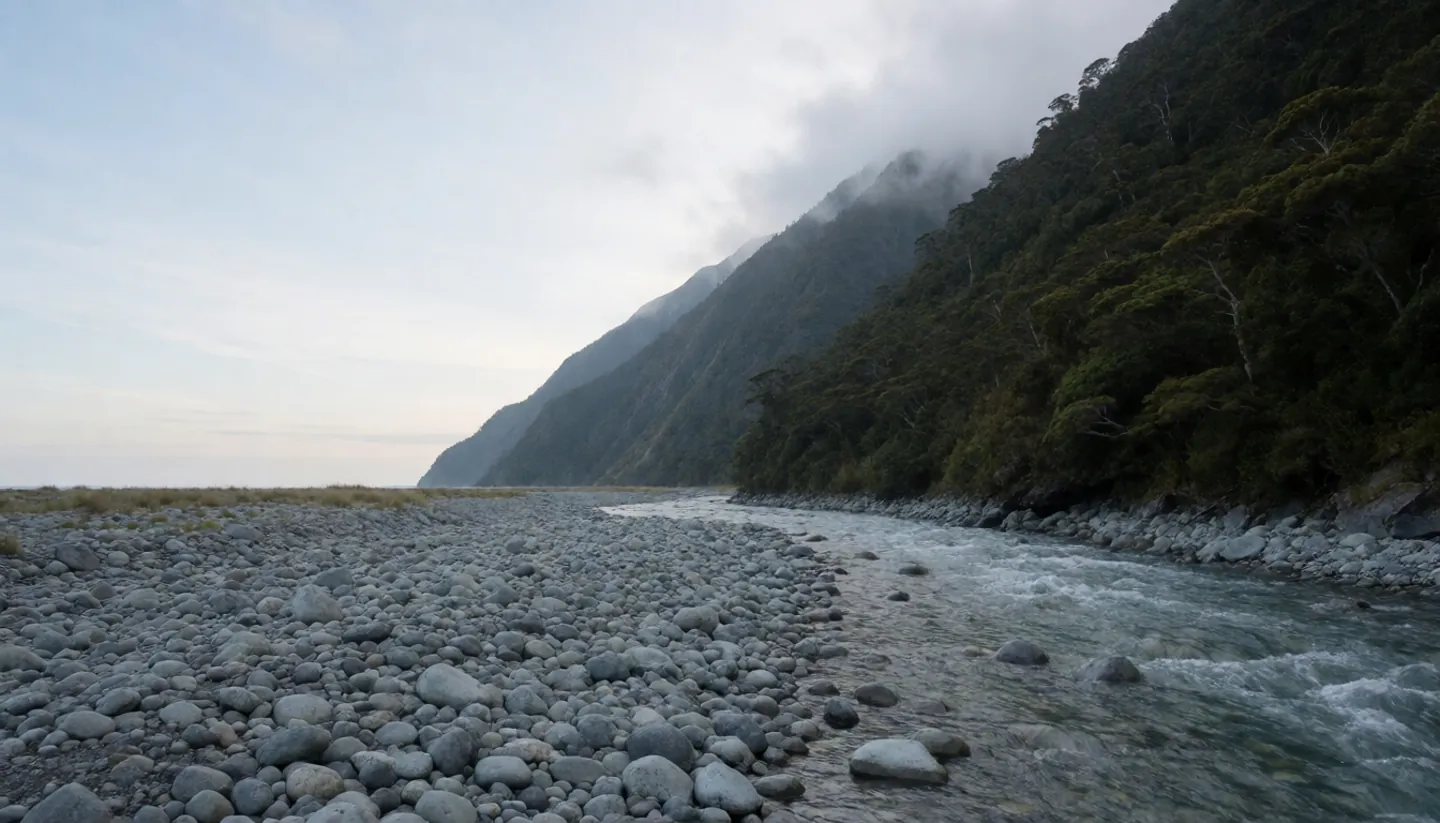
A TREASURED STONE
TAONGA a treasure handed down
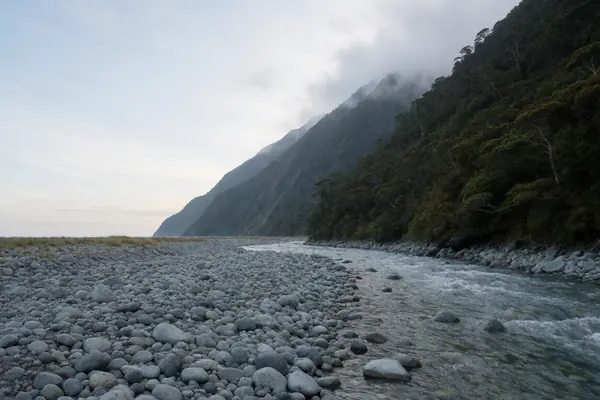
AI-generated image, not a photograph of a real person or place.
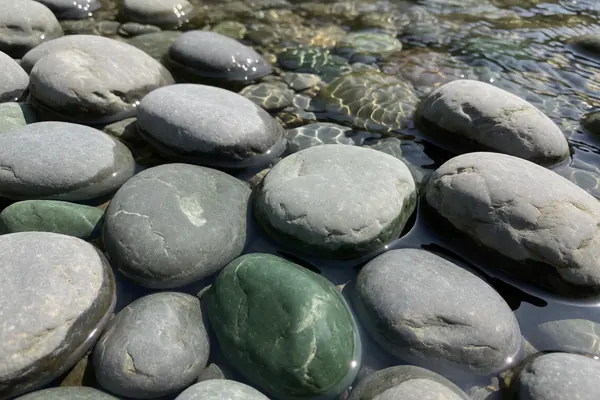
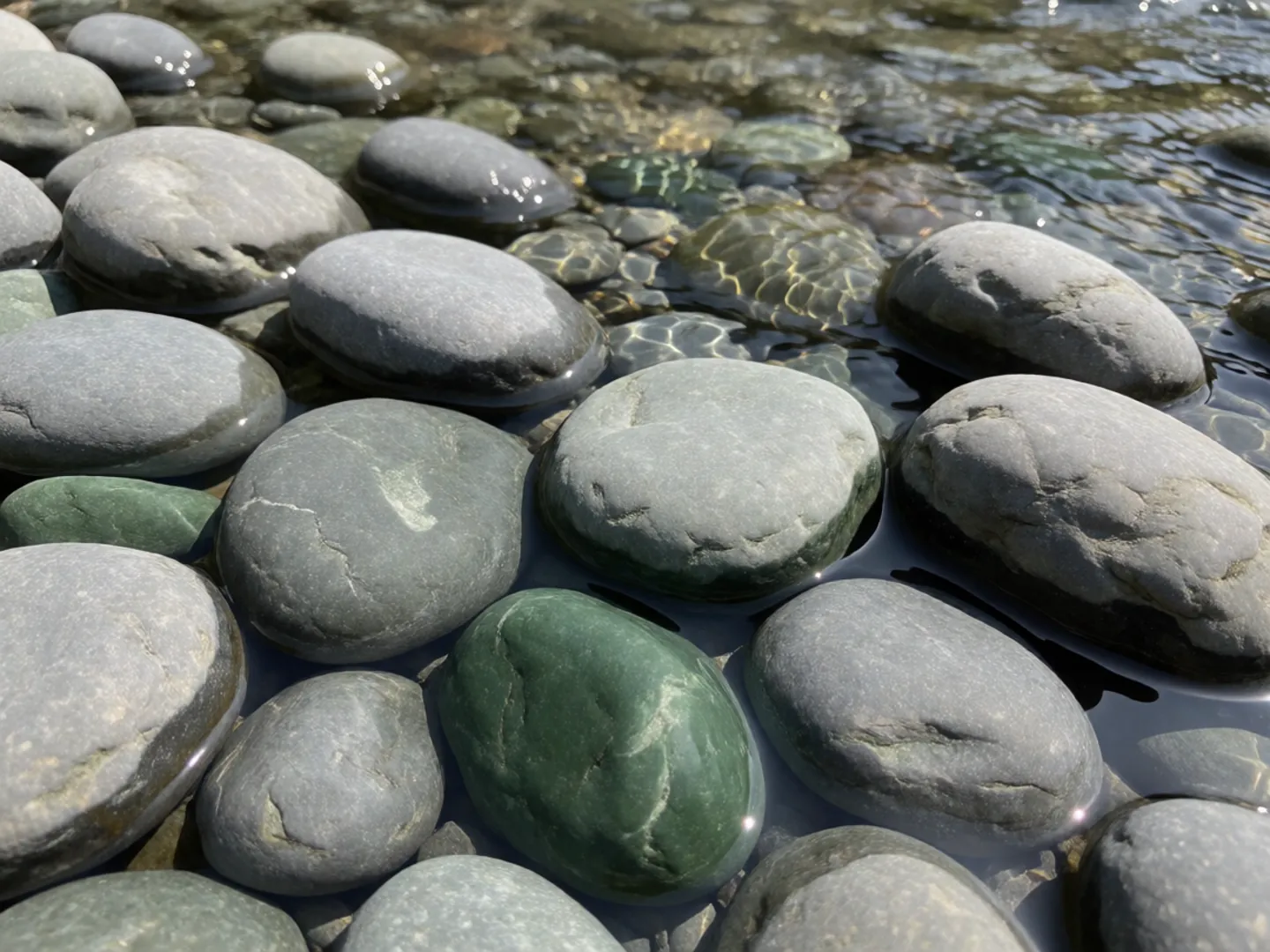
Pounamu is found only in the South Island of New Zealand.
For Māori it is a taonga, a treasure. Hei-tiki, the pendants in human form often carved from it, are worn, handed down and remembered, and museums describe them as symbols of connection to ancestors and the land.
THE SHORT ANSWER
Three words carry most of the meaning.
Each is explained by museums and reference works.
HEI-TIKI
A hei-tiki is an ornamental pendant of the Māori of New Zealand, usually made of pounamu. 'Hei' can mean to wear around the neck.
Name the stonePOUNAMU
Pounamu covers nephrite jade and translucent bowenite. The South Island's Māori name, Te Wai Pounamu, means the greenstone waters.
See the numbersTAONGA
Te Papa says taonga made from pounamu gain in prestige with every generation, carrying the stories of those who went before.
Read a tiki's story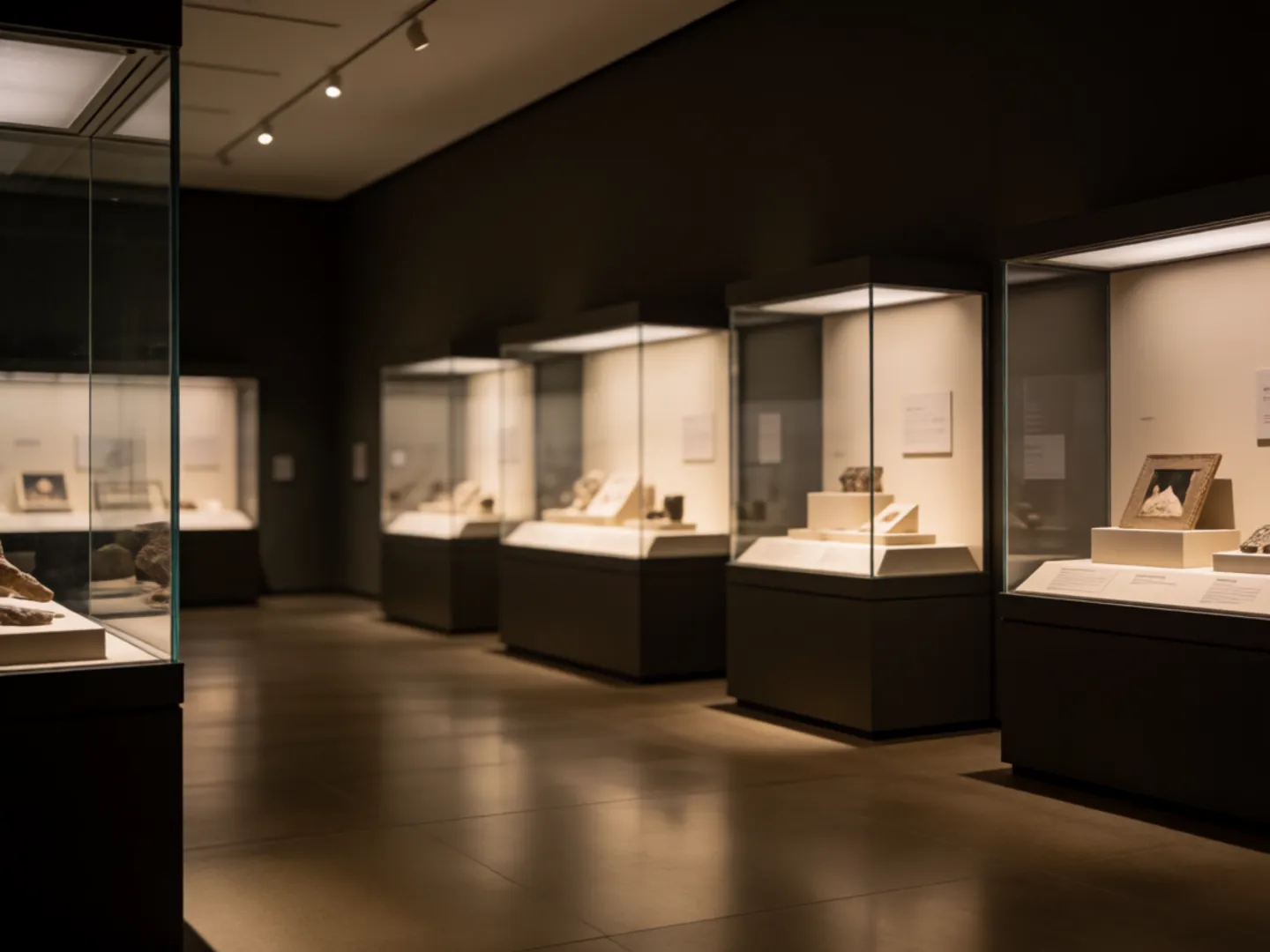
FOUR WAYS TO SHOW RESPECT
Hei-tiki and pounamu are living treasures for Māori, not just souvenirs. These points come from museum and reference sources.
Tourist hei-tiki are sold widely and may be made of jade from elsewhere, other stone or plastic. Ask where the stone came from and who carved it.
Pounamu is the preferred collective term; 'New Zealand jade' and 'greenstone' can mislead, since not all pounamu is jade.
Fossicking for pounamu is allowed only in designated West Coast areas, limited to what you can carry unaided; elsewhere in the Kāi Tahu area it is illegal.
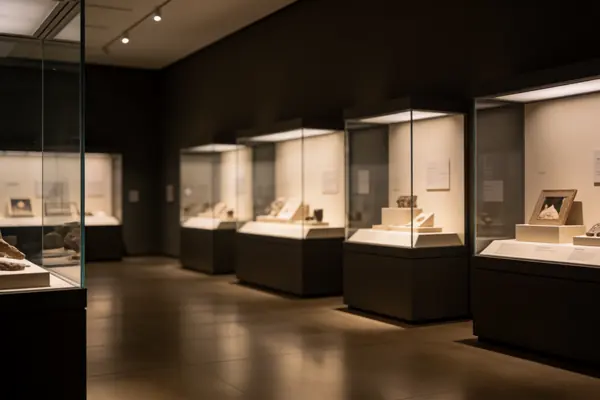
Te Papa and other museums display pounamu taonga with their histories, a good way to see heirloom pieces and the stories they carry.
TWO NUMBERS WORTH KNOWING
One figure on where hei-tiki are kept today,
one on the age of a pendant still carrying its story.
200+
Hei-tiki in the national museum's collection
Te Papa holds over 200 hei-tiki and the British Museum about 50, two of the largest collections. Many left New Zealand through colonial processes.
COLLECTIONS · TE PAPA
200+ years
Years a single hei-tiki stayed with one family
The Te Aika hei-tiki, carved from pale īnanga for an ancestor over 250 years ago, belonged to one family for more than 200 years before Te Papa acquired it in 1991 with the family's support.
ONE HEIRLOOM · CANTERBURY MUSEUM
In 1997, as part of the Ngāi Tahu Claims Settlement, the Crown returned ownership of all naturally occurring pounamu to the South Island iwi Ngāi Tahu.
NAME THE STONE
Māori name pounamu by colour and appearance, matching its green to colours found in nature. Pick a variety to learn about it. The bar shows how clear or translucent the stone usually is.
Based on reference descriptions of pounamu varieties. Names and meanings belong to Māori; this is a respectful summary, not an authority.
A TIKI'S STORY
Canterbury Museum tells the story of the Te Aika hei-tiki, one of the earliest known pounamu hei-tiki carved in the South Island. It was buried with its owner near Kaiapoi Pā, as was customary, and dug up again in 1831 to save it from raiders who were plundering graves.
A young member of the family escaped with it when the pā fell, and the tiki stayed with his descendants for generations. Pieces like this show why museums describe hei-tiki as carrying the stories and essence of those who have gone before.
In conversation
An ornamental pendant of the Māori of New Zealand, usually made of pounamu and considered a taonga, a treasure. New Zealanders often call it simply a tiki.
A term for several hard, durable stones found in the South Island of New Zealand, mostly nephrite jade, plus a translucent bowenite called tangiwai. Māori name the varieties by colour and appearance.
Traditionally the stone was first cut like a small adze, then smoothed by abrasive rubbing, shaped and bored with sticks and water, and polished over a long time before hanging on a plaited cord.
In 1997, as part of the Ngāi Tahu Claims Settlement, the Crown handed back ownership of all naturally occurring pounamu to the South Island iwi Ngāi Tahu.
Meanings vary. One account says hei-tiki were memorials to ancestors or linked to Hineteiwaiwa, associated with childbirth. Te Papa describes taonga such as hei-tiki as symbols of connection to the ancestors and the land.
Each figure on this page comes from the sources below.
ABOUT THIS NAME
doodlestiki.com is part of the DoodleSale portfolio. It isn't in an auction right now, but you can ask about leasing it.